About This Book:
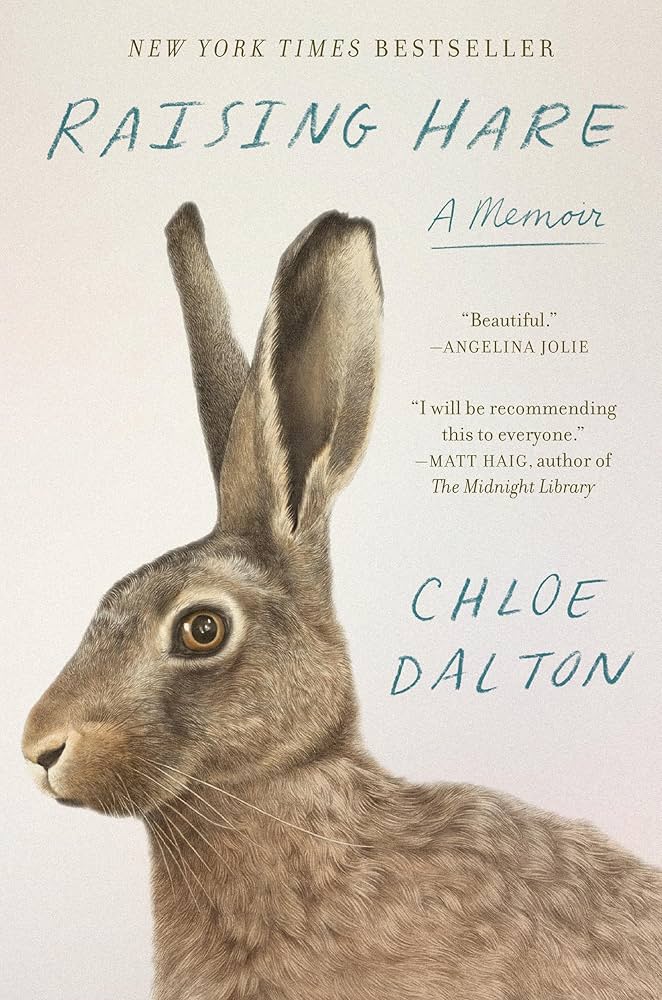
Imagine you could hold a baby hare and bottle-feed it. Imagine that it lived under your roof and bounded around your bedroom at night, drumming on the duvet cover when it wanted your attention. Imagine that, more than two years later, it still ran in from the fields when you called it and slept in your house for hours on end. For political advisor and speechwriter Chloe Dalton, who spent lockdown deep in the English countryside, far away from her usual busy London life, this became her unexpected reality.
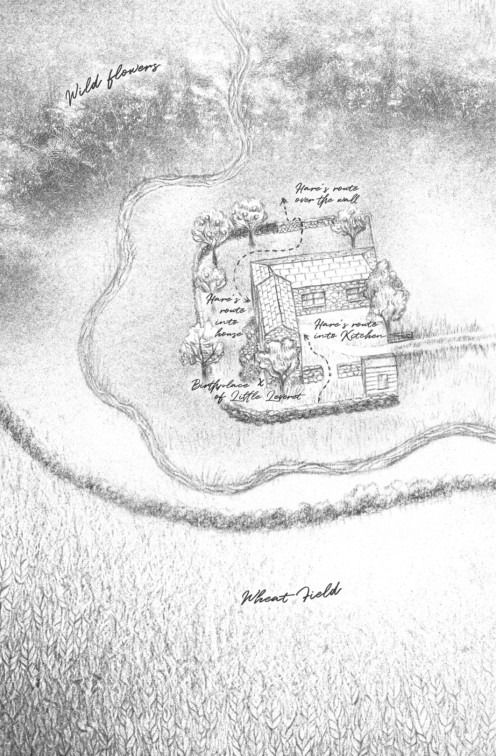
In February 2021, Dalton stumbles upon a newborn hare—a leveret—that had been chased by a dog. Fearing for its life, she brings it home, only to discover how difficult it is to rear a wild hare, most of whom perish in captivity from either shock or starvation. Through trial and error, she learns to feed and care for the leveret with every intention of returning it to the wilderness. Instead, it becomes her constant companion, wandering the fields and woods at night and returning to Dalton’s house by day. Though Dalton feared that the hare would be preyed upon by foxes, weasels, feral cats, raptors, or even people, she never tried to restrict it to the house. Each time the hare leaves, Chloe knows she may never see it again. Yet she also understands that to confine it would be its own kind of death.
Raising Hare chronicles their journey together while also taking a deep dive into the lives and nature of hares, and the way they have been viewed historically in art, literature, and folklore. We witness firsthand the joy at this extraordinary relationship between human and animal, which serves as a reminder that the best things, and most beautiful experiences, arise when we least expect them.
My Thoughts After Reading:
Last month, I wrote “It’s only March but I think I’ve found my favorite read of 2026; the easiest 5 stars I have ever given” referring to Before I Forget. This month, I can write “It’s only April and I’ve found my second favorite read of 2026; another 5 stars easily given” referring to Raising Hare.
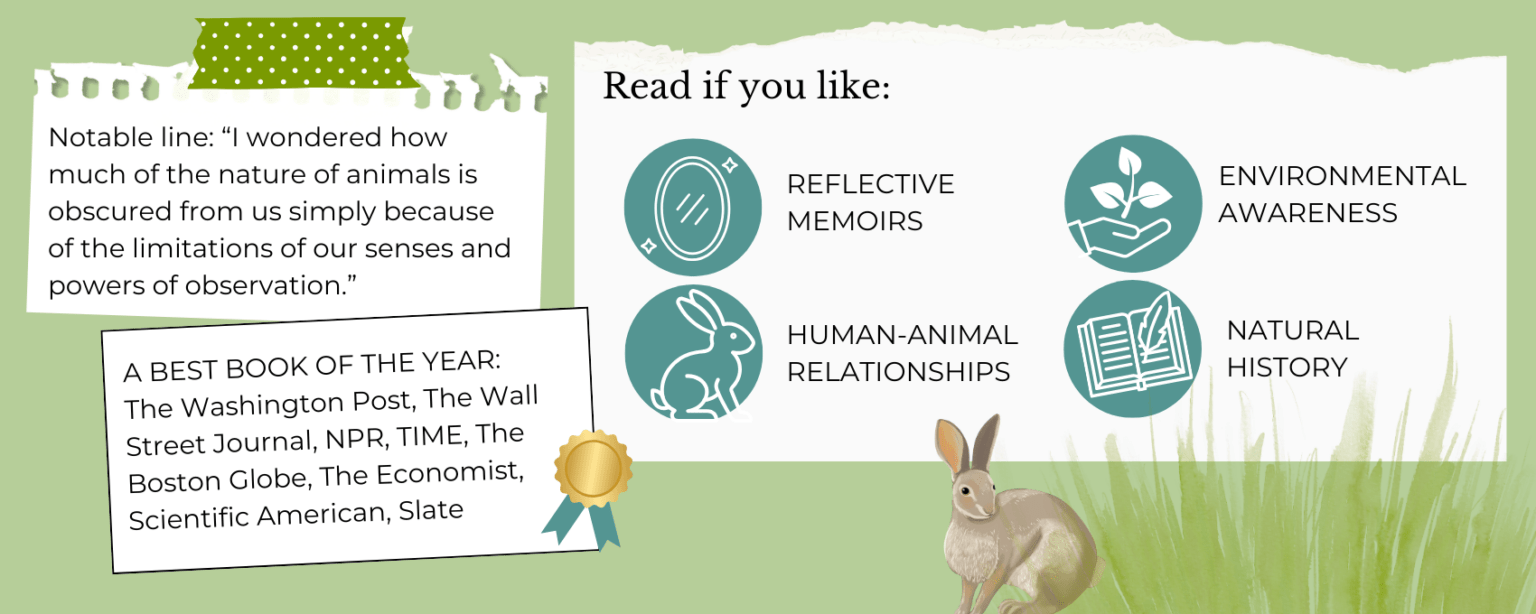
Unlike a typical pet story, Raising Hare resists the urge to domesticate its subject. Instead, it honors the hare’s wildness, reminding readers that not everything is meant to be tamed or fully understood. I learned so much about this species—a hare’s nature & needs, historical interactions with humans, their ecological impact, the difference between rabbits, hare depictions in folklore & art, and much more.
While the story is about Dalton raising a hare, she also reflects on her journey from a fast-paced life to a slower, more observant one. Through changing seasons and subtle behavioral shifts, she reveals how much there is to learn simply by watching and waiting. In a world with constant stimulation (hello, smartphones), slowing down is crucial.
That message resonates as we celebrate Earth Day (April 22). In a world often focused on big, urgent environmental challenges, Raising Hare brings us back to something more intimate: the importance of noticing, valuing, and protecting the everyday wonders around us. Humans are not separate from nature—we are part of it. Caring for the planet doesn’t always begin with grand gestures; it can start in your own backyard with curiosity, empathy, and a willingness to coexist.
Raising Hare is a book that lingers—quietly prompting us to look a little closer and care a little more. A perfect read for spring.
I’ll think of this real unnamed hare introduced to us by Dalton whenever I meet its fictional counterparts (Alice’s Adventure in Wonderland (March Hare), Guess How Much I Love You (the nutbrown hares), Aesop’s The Hare and The Tortoise, etc.) and notice where those authors got it right or wrong.
– Michelle