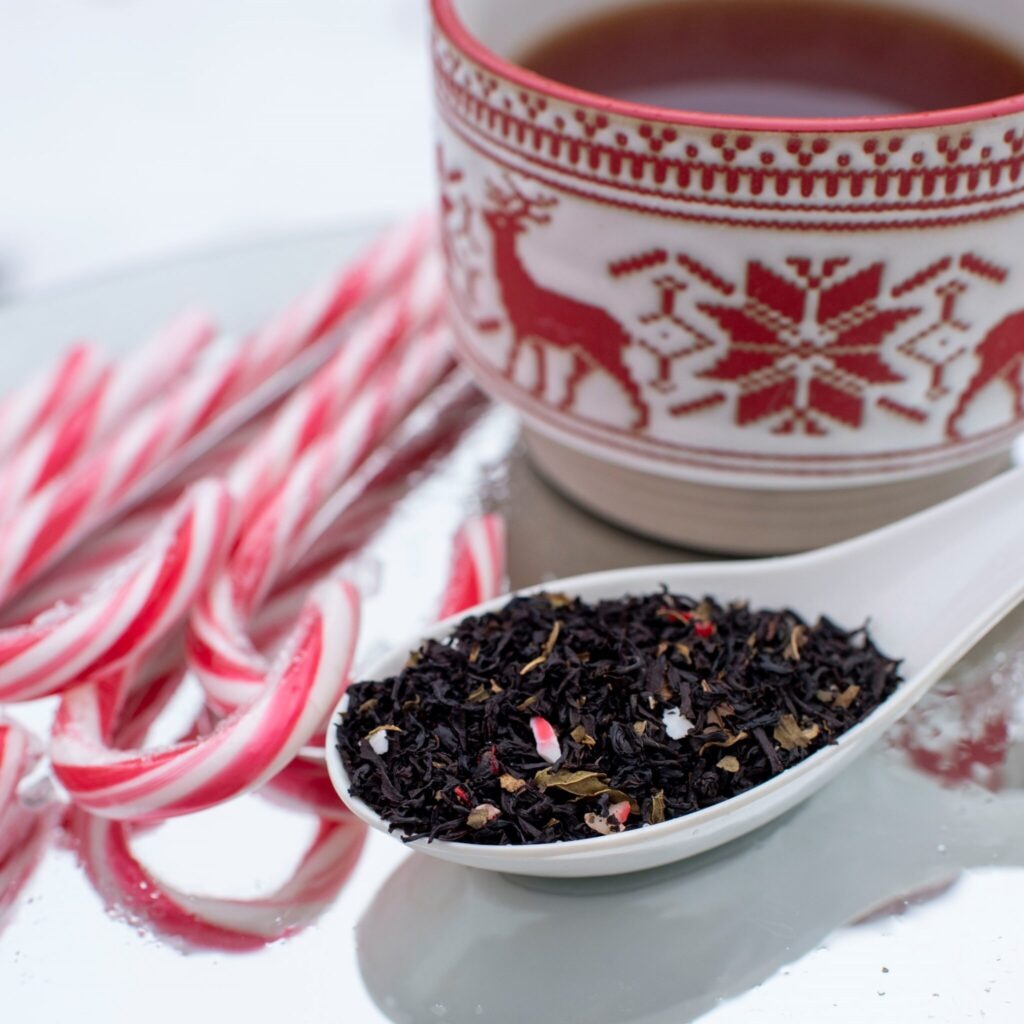
Black tea: is the most commonly consumed tea in the world; accounting for approximately 80% of all tea consumption. Black teas are the most processed (or oxidized) of all teas. Many black teas offer the boldest aroma and taste of any other type of tea. If you like bold taste, a black type may be your cup of tea.
Oolong tea: taste ranges between green and black tea— often called the “Champagne of Teas”. Oolong teas offer a full flavor without the bitterness tendency of some black teas. The varieties of oolong tea differ greatly in flavor, depending on the amount of time that the leaves are given to oxidize. If you like a smooth full full-flavored tea, Oolong is the tea for you!
Green tea: leaves are often steamed or pan-fired, rolled, and dried to give their distinctive taste and flavor. Green tea is most often known for the many amazing health benefits that it touts. You can expect mild to bold flavors from grassy to sweet that will suit any tea moment— hot or iced.
White tea: is the most subtle of all the varieties of tea, using only the finest tea leaves from each bush with minimal processing. Considered by most to be the highest quality and most delicate of tea. New studies show that white tea is 10% more effective in improving immune health than its green cousin. Expect a smooth taste and a light finish with great fruit infusion options!
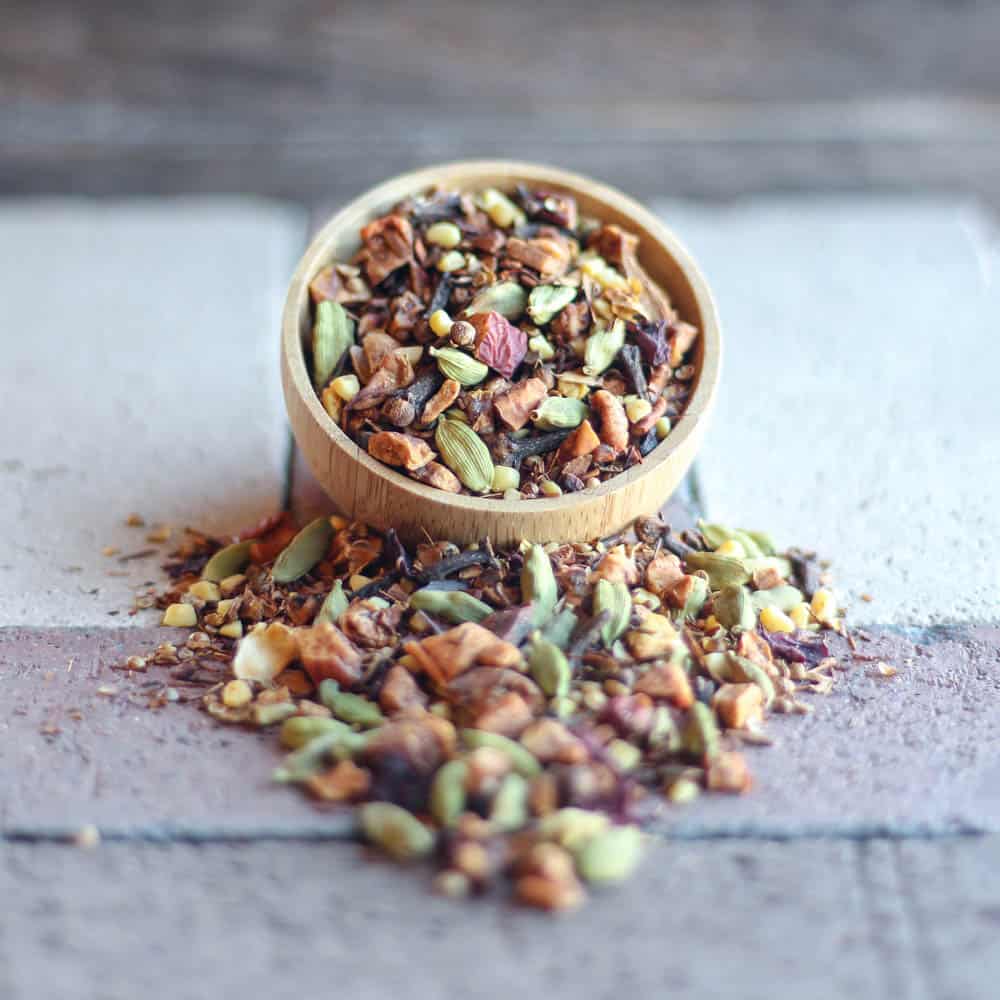
Herbal tea: is simply the combination of boiling water and dried fruit, flower, root, seed, and/or herb. Herbals usually offer a wide selection of decaffeinated teas in many different flavors. You can expect to find an herbal to meet a variety of tastes.
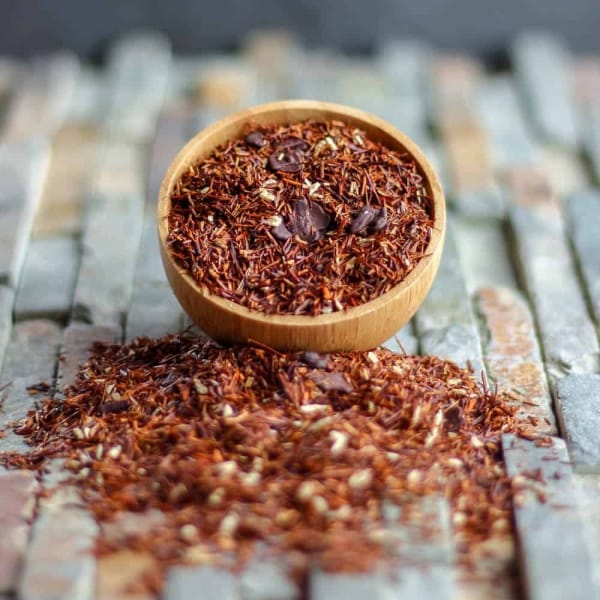
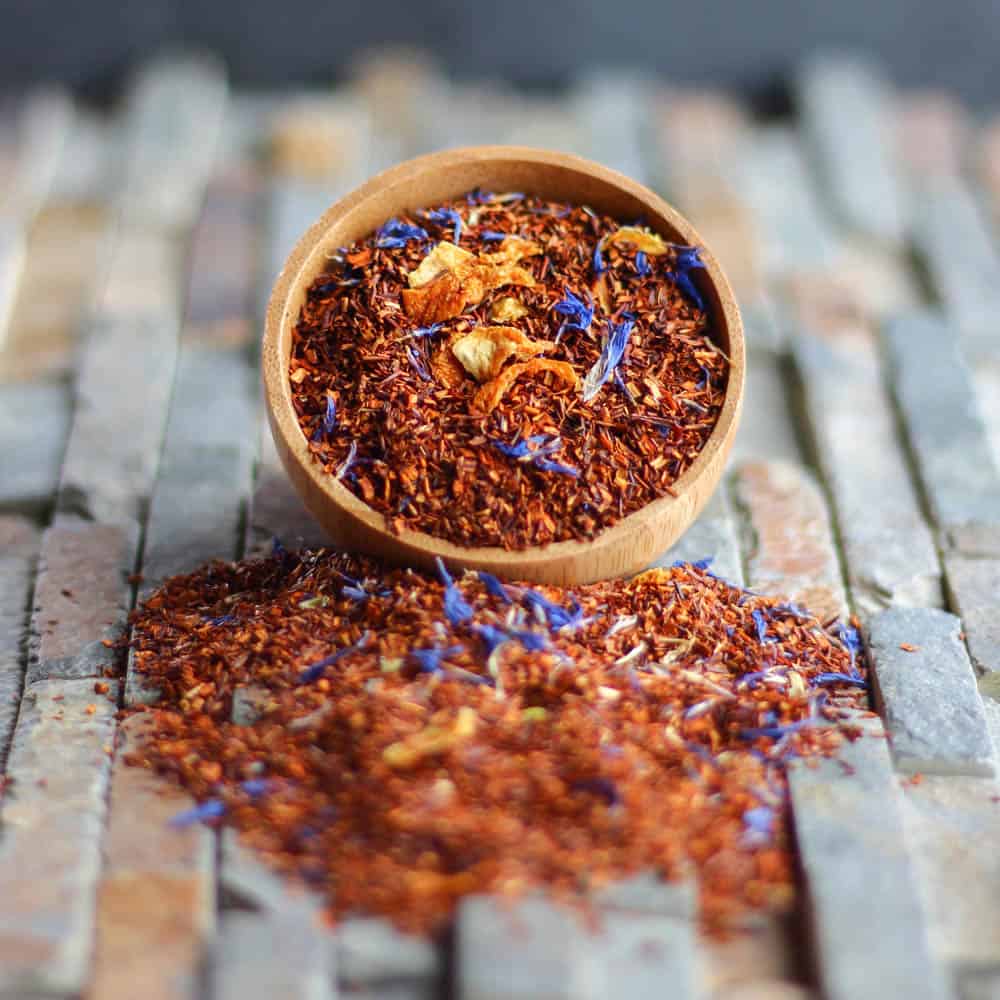
Rooibos (pronounced Roy Bus): is a flavorful, caffeine-free alternative to traditional tea for those seeking to eliminate caffeine. With a diverse selection of scents and flavor blends, Rooibos tea has made its name as a major type of herbal tea due to its versatility. Rooibos is also known as redbush or red tea and can be enjoyed hot or iced.
Matcha Tea Powder: is an increasingly popular beverage in the Western world, matcha is a fine powder made from green tea leaves. Most often, the tea plants cultivated for matcha are grown in Japan, where it originated, and all variations are shade-grown. This shields the plant from direct sunlight and incites an over-production of chlorophyll, which contributes to the bright green coloring. It also increases the amino acid theanine, which provides the grassy flavor. The leaves are then hand-picked, steamed, dried, destemmed, deveined, and ground into a fine powder.



 February
  March
March 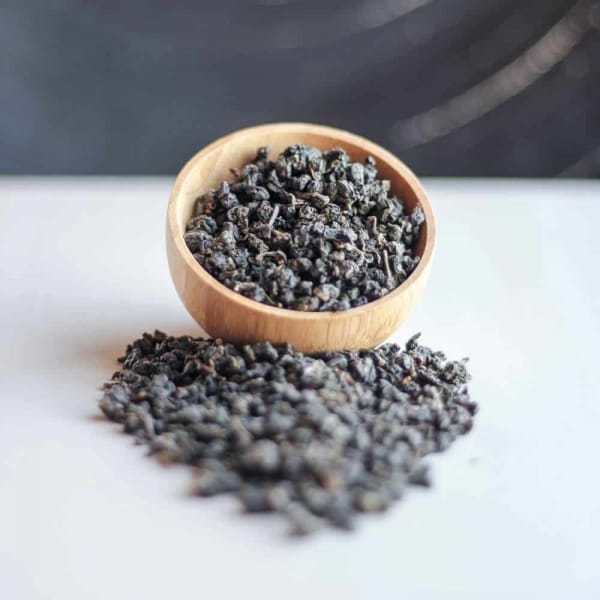 April
April  May
May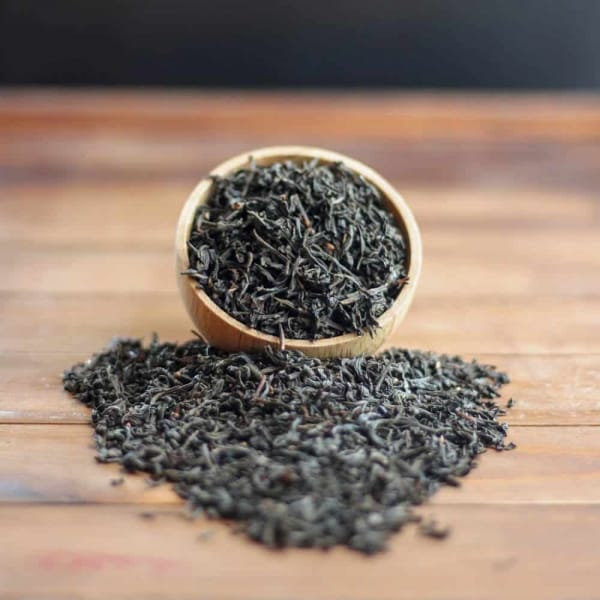 June
June 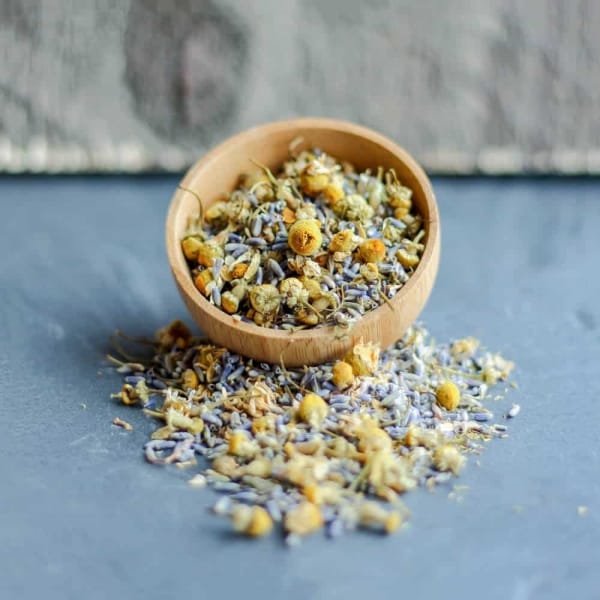 July
July  August
  September
  October
  November
  December